Holiday parks and particularly nature-based resorts have become one of the most attractive segments of the leisure and tourism market, reaching over £3.70 billion in 2024, despite the resurgence of international travel.

Demand for short UK breaks and experiential stays continues to rise, with guests seeking premium accommodation in picturesque settings, strong amenities, and sustainable design principles.

For landowners, entrepreneurs, and institutional investors, this creates a fantastic opportunity to develop holiday parks as long-term income-generating properties. However, turning land into a commercially successful resort requires specialist expertise in planning, development, operations, marketing, and in creating a memorable guest experience that keeps guests coming back.
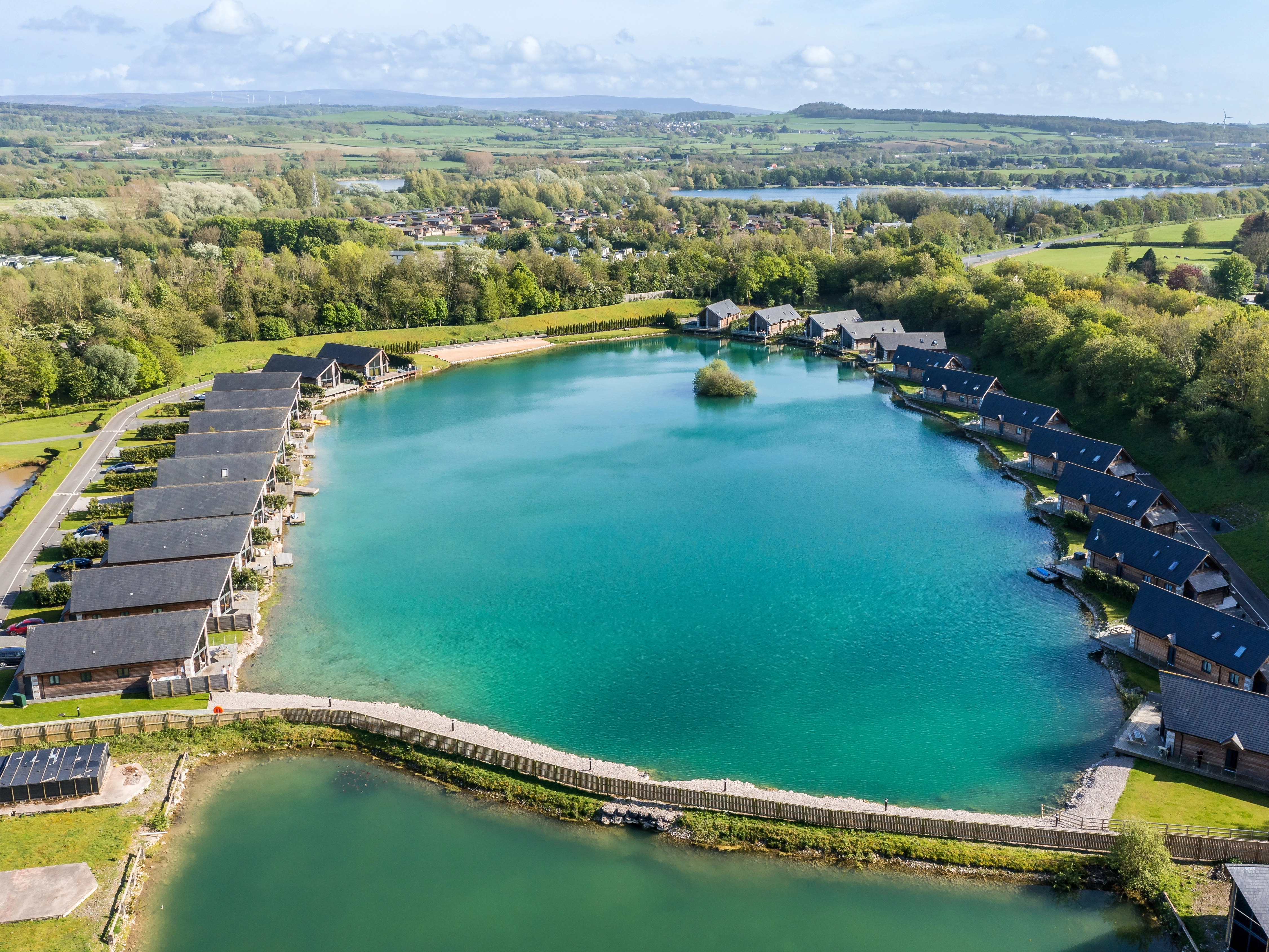
TKS Park overview

This comprehensive guide explores the holiday park development lifecycle, investment models, financial drivers, and strategic considerations for two key audiences: private landowners looking to scale, and institutional investors entering the market for the first time. It also explains how partnering with an experienced operator such as Landal can unlock value while reducing development and operational risk.

If you own land or are exploring holiday park development opportunities, Landal can support you from concept to completion.
Who is This Guide For?
This guide is written for private landowners, small park operators, as well as financial institutions or developers entering the leisure market.

Holiday parks offer:

  • Long-term income potential
  • Portfolio diversification
  • Economically robust compared to traditional hospitality assets

Private Landowners and Small Park Owners
Many entrepreneurs and business owners already own land or small parks but face ongoing challenges when looking to scale. Common barriers include:

  • Limited operational expertise
  • A struggle to navigate planning and regulatory processes
  • Restricted access to capital for growth on or-site investment
  • Difficulty designing a commercially viable layout
  • Limited marketing reach
  • Inconsistent bookings

Even the most successful independent parks can struggle to expand beyond a single site due to the complexity of hospitality operations and distribution networks. The right strategy and partner can transform brownfield land or struggling sites into a high-performing holiday destination.

At Landal, we provide insight, operational expertise, and credibility, offering partnership models that allow partners to retain ownership while benefiting from professional development, management, marketing, and the visibility that comes with joining a multi-national portfolio, backed by the established Landal brand power.

From optimising plot density and introducing premium accommodation to enhancing guest experiences, partners gain access to a proven operating model, data-backed forecasting and established marketing channels to fully utilise and scale your operations.

BTT Kynance 4C6

Institutional Investors and New Market Entrants
For those considering hospitality investment, holiday real estate is increasingly viewed as a resilient asset class within diversified portfolios.

Nonetheless, challenges include:

  • Limited sector-specific knowledge
  • Operational complexities
  • Restricted understanding of guest demand dynamics
  • Difficulty balancing capital deployment with risk management within acceptable timeframes

At Landal, our experienced team can help investors looking to mitigate operational risk, accelerate market entry for their investments or expand their investment portfolio into the booming hospitality sector.

Through our model, investors can enter the holiday park sector with confidence, supported by a recognised brand, tested revenue management strategies, and operational frameworks that have been fully refined across thousands of units.
Understanding the Holiday Park Market
Demand is driven by domestic tourism, immersive travel, the rise of multi-generational holidays, and the growth of solo and adult-only travel segments seeking luxury and wellness experiences.

Recent data from Landal revealed that couples are increasingly seeking nature-led escapes with added luxury touches as 73% of couples book lodges with hot tubs. In fact, in 2026 73% of all bookings made now include a hot tub, a 15% YoY increase, with groups of four making the most bookings.
 
Holidaymakers are increasingly seeking resorts that deliver year-round appeal, combining nature, wellness, activities, and top-notch accommodation. Our longstanding experience shows that well-designed, strategically positioned resorts consistently achieve strong occupancy and revenue performance. 
1. Market Demand and Key Trends

The holiday park sector benefits from several long-term macro trends. “Holiday snacking” or a trend towards taking repeat short breaks has grown steadily as multiple demographics prioritise flexibility and work-life balance. Families, couples, and multi-generational groups increasingly value space, privacy, thoughtful amenities, and access to authentic and “offline” outdoor experiences.

At the same time, the market has seen a shift toward higher-quality accommodation such as luxury lodges, eco-friendly cabins, and unique experiences, such as treehouse stays or lakeside retreats. Guests now expect superior amenities, wellness facilities, dining concepts, and curated activities as standard, creating ample opportunities for diversification of operations and offering to create recurring revenue streams.

Successful resorts are inclusive by design and rich in experiential touches. Tailored activities, high-quality food and beverage offerings and year-round appeal also increase on park spend, guest satisfaction, and repeat visitation.

Where most operators focus on occupancy-first, we believe in investment that drives loyalty and guest satisfaction. Our UK NPS averages 52, a score that reflects consistently strong experiences for guests and is considered great by industry standards. It’s clear that prioritising guest satisfaction and experiences that align with market expectations keeps people coming back and strengthens long-term performance.

2. Competition and The Role of Brands

While many independent parks exist, those supported by established operators like Landal typically outperform in occupancy, pricing power, and guest loyalty. Landal operates at the higher end of the market, attracting discerning guests seeking high-quality accommodation and experiences. This positioning, combined with unrivalled exposure to additional European markets and a strong inbound booking rate, significantly broadens demand beyond domestic audiences.

For investors and landowners, aligning with an established international brand such as Landal not only enhances consumer trust and marketing reach, but also provides access to a powerful European distribution network. This can materially improve commercial performance and accelerate time to market for new or developing holiday park ventures.

3. Planning and Regulatory Challenges

Holiday Park developments are subject to complex planning regulations, environmental assessments, and evolving infrastructure requirements.

Local authorities often prioritise sustainable developments that prioritise biodiversity and community integration. As a result, early engagement with planners, environmental consultants, and local stakeholders is essential to secure approvals and ensure a positive community presence and a seamless road to market. An experienced partner like Landal can help streamline this process and guide you through the decision-making that is essential to achieve positive planning outcomes.

A Step-By-Step Roadmap to Launching Your Park
Launching a resort with Landal follows a structured, multi-phase process.

Our approach ensures resorts deliver strong guest appeal, repeat visitation, and optimum pricing while maximising long-term financial performance.

Planning Focus
At Landal, every successful holiday park begins with a comprehensive planning assessment, including:

  • Evaluating accessibility, target demographics, surrounding attractions, and competitive landscape
  • Financial modelling to estimate development costs, operating costs, investment need, and long-term revenue potential
  • Brand alignment to ensure resort concepts match target markets, strengthen stakeholder confidence, and support our resorts-in-nature ethos
  • Planning application support, including environmental constraints, infrastructure requirements, and commercial viability assessments
  • Compliance with building regulations, health and safety standards, and tourism regulations

Layout & Design
The layout and design of a park will directly influence guest experience, satisfaction, commercial performance and profitability. Key considerations include:

  • Land suitability and plot optimisation for both optimum density and thoughtful positioning
  • Market demand segmentation and accommodation grading
  • Optimising site layouts to also feature a mix of relaxation, activities, and bespoke services, facilities and experiences that modern guests expect
  • Sustainability measures, such as environmentally efficient designs, renewable energy, waste reduction, site conservation, and biodiversity upgrades to improve brand reputation and asset value

Lodge positioning and spacing is also critical to consider, as orientation, privacy, and views will significantly affect the guest experience and pricing potential.

DST Swimming pool

Accommodation Strategy & Product Mix
Implementing a ‘location-first’ approach will ensure that your accommodation aligns with the surrounding environment, whether in coastal, woodland, lakeside, or countryside settings. Embracing differentiated products on-site, from luxury lodges to eco-cabins and treehouses all offer potential for premium pricing and strong occupancy – and a range of stay experiences is a great way to improve your return rate.

Consider:

  • Differentiation of upgraded accommodation to appeal to broad guest segments while maximising yield
  • Facility differentiation to support year-round demand
  • Access to brand-specific accommodation concepts
  • Connections with trusted manufacturers to ensure quality, cost efficiency, and timely delivery

WGE Park Overview

Revenue Forecasting
Revenue is generated primarily through accommodation, alongside on-site food and beverage, activities, retail, and much more.

Successful parks focus on maximising occupancy, extending seasonal offerings and increasing guest spend per stay through each economic cycle.

Ongoing costs for owners include development capital expenditure, staffing, maintenance, utilities, marketing, and technology. Key performance indicators include:

  • Occupancy rates
  • Average daily rate (ADR)
  • Revenue per available unit (RevPAR)
  • Overall site EBITDA per annum, linked to development CAPEX in early years
  • Guest satisfaction scores
  • Repeat booking rates

At Landal, we support our partners in sharing best practices in guest experience, service culture, and performance benchmarking. This involves providing detailed financial modelling, benchmarking insights, and brand support to maximise performance, including:

  • Maximising revenue for partners
  • Dynamic pricing through iDeaS, optimising rates in real time
  • Increased rental revenues
  • Improved park spend

We also offer full Profit & Loss (P&L) modelling to support investor-grade decision making, helping both landowners and financial institutions understand expected returns, operating costs, and profitability scenarios.

For those considering holiday park development or investment, engaging with an experienced partner such as Landal early in the process is the most effective way to maximise returns, improve scalability, and minimise risk.

Get in touch today and see how we can help your holiday park to flourish.